How to Become a Viking: Embrace the Norse Way of Life
You don’t need a longship or a helmet with horns (which, for the record, Vikings never actually wore) to live by the Norse way. The Viking code — built on courage, loyalty, relentless hard work, and a fierce respect for the world around you — is just as relevant today as it was a thousand years ago when Norse warriors were carving their names into the history of three continents. Whether you’ve felt the pull of Norse mythology since you first heard the name Odin, or you’re only just discovering the depth and richness of Viking culture, this guide will show you how to genuinely embrace the Viking way of life in the modern world. Not as a costume. As a philosophy.
The Viking Code: Honour, Courage, and Loyalty
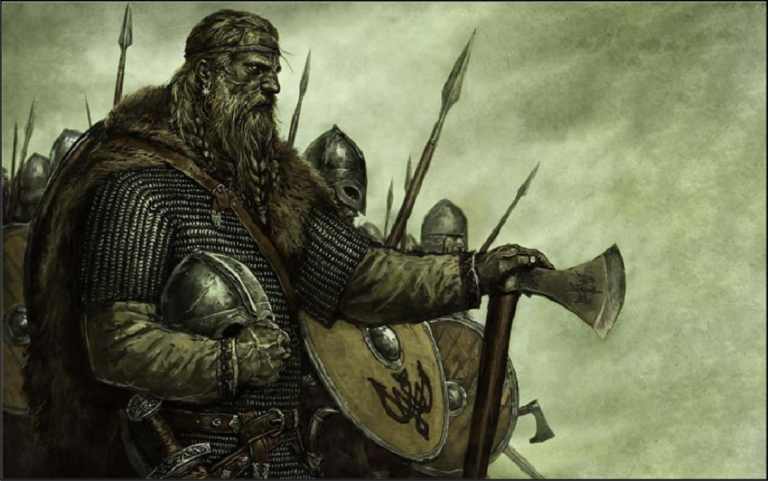
The Norse people lived by a set of values that modern self-help books have been quietly borrowing for decades. At the heart of it all was drengskapr — the quality of being a drengr, a person of honour and integrity. To be called a drengr was one of the highest compliments you could receive in the Norse world. It meant you were brave without being reckless, honest without being cruel, and loyal without being blind.
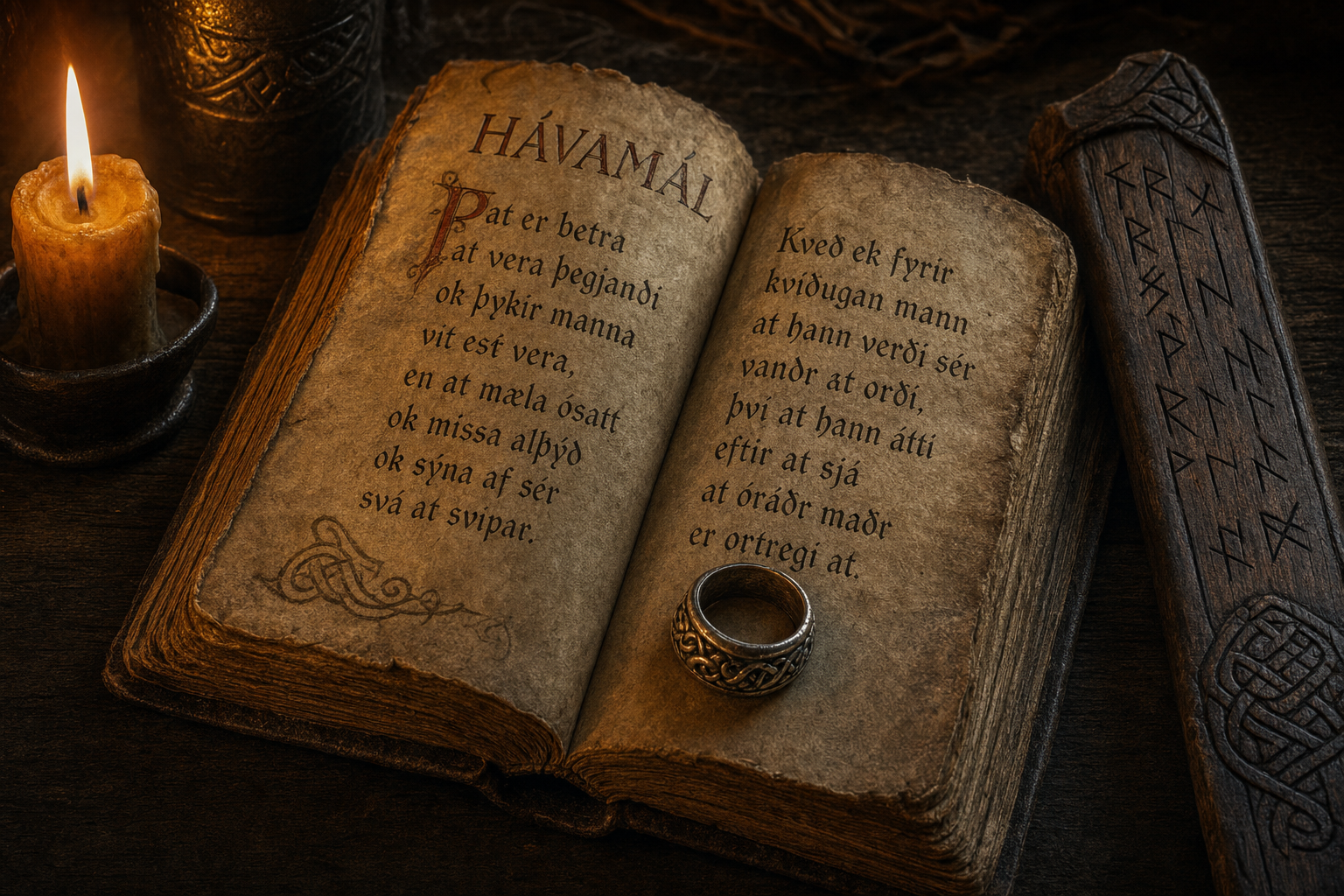
The Hávamál, a collection of Old Norse wisdom poetry attributed to Odin himself, is essentially a Viking handbook for living well. It advises generosity to guests, self-reliance, wisdom in speech, and above all, the acceptance that life is short and your reputation outlasts your body. “Cattle die, kindred die, every man is mortal,” goes one of its most famous stanzas, “but the good name of one who has done well lives forever.”
Practically speaking, living by these values today means holding yourself to a high personal standard — keeping your word, showing up for the people in your tribe, doing hard things without complaint, and treating both friends and strangers with respect.
Viking Fitness and Diet Philosophy
Norse warriors were not gym-obsessed in the modern sense — they were functional athletes. Their strength came from the work itself: rowing for hours, hauling cargo, farming, training with weapons, and enduring the brutal Scandinavian climate. The philosophy was simple — build a body capable of doing what needs to be done.
Modern Viking-inspired fitness takes the same functional approach. Think compound movements: deadlifts, carries, rowing, climbing, and outdoor endurance work. Cold exposure — a regular cold plunge or winter sea swim — is deeply rooted in Norse tradition and has a growing body of modern science behind it. The Norse didn’t avoid discomfort; they built a relationship with it.
As for diet, the historical Viking table was heavy on meat, fish (particularly herring and salmon), root vegetables, barley, rye, and fermented dairy like skyr. Eating in a Viking spirit means prioritising whole foods, avoiding processed rubbish, and not being precious about it. Eat well, eat enough, and don’t waste food.
Norse Spirituality and the Old Ways
Norse paganism — known today as Ásatrú or Heathenry — is a living, growing spiritual tradition. At its core, it’s a relationship with the natural world, with your ancestors, and with the Norse gods as archetypal powers worthy of respect and reflection.
Getting started is straightforward. Read the Prose Edda and the Poetic Edda — both are available in excellent modern translations. Explore the concept of blót, the Norse ritual offering, and sumbel, the communal toasting ceremony where oaths are made and ancestors honoured. Set up a small altar to a deity or to your own ancestors. Spend time in nature with intention. The old ways don’t ask much of you — just attention and sincerity.
Learning Old Norse and the Runes
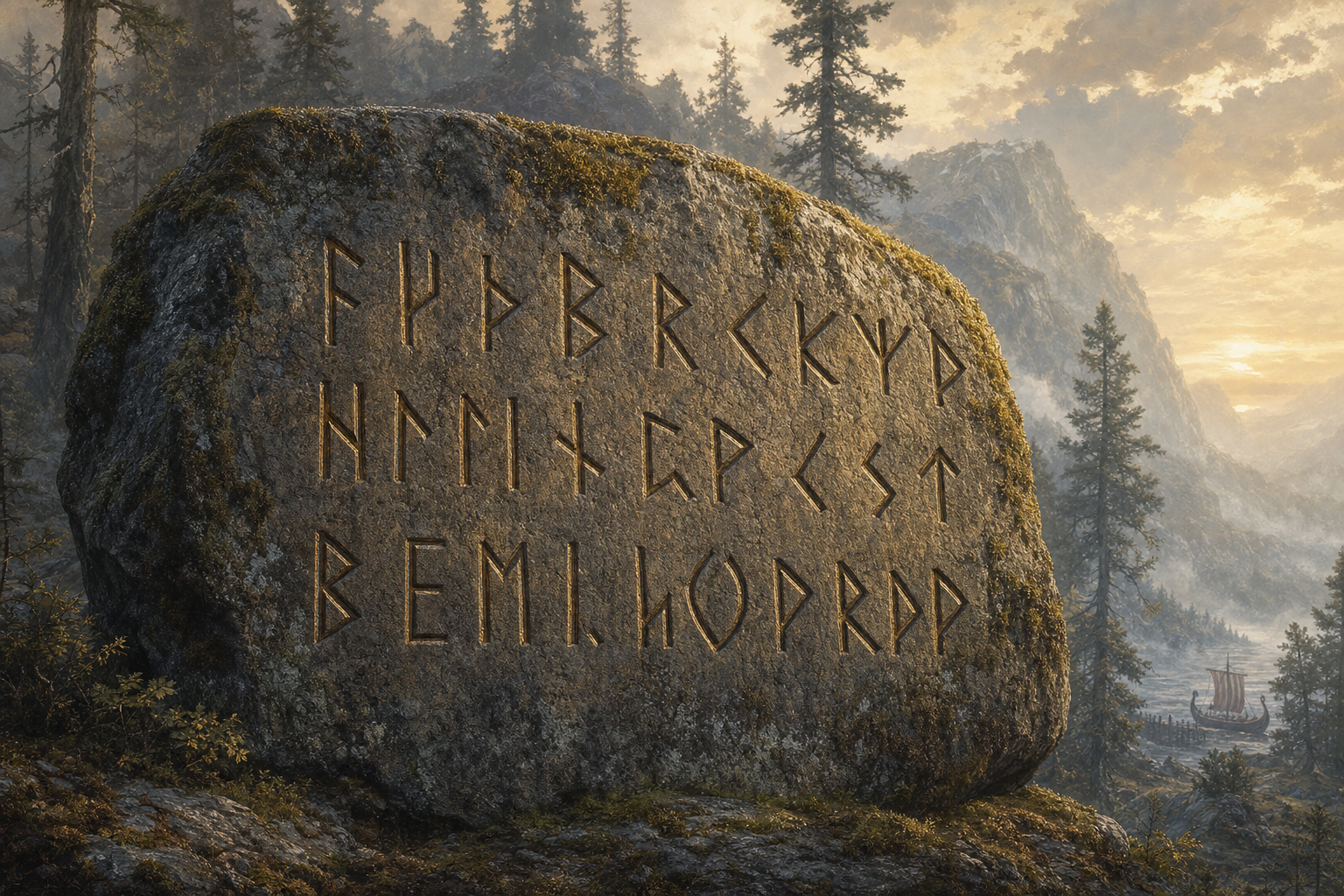
The runes are one of the most immediately powerful entry points into Viking culture. These aren’t just letters — each rune is a concept, a force in the world. Fehu means wealth and cattle. Uruz is wild strength. Tiwaz is justice and sacrifice. The Elder Futhark, the oldest runic alphabet, has 24 characters, each with its own lore.
Learning to read and write runes takes a weekend of focused effort. Understanding their deeper meanings is a lifelong study — and a deeply rewarding one. Many people begin by carving their name in runes, or inscribing a meaningful word onto a piece of wood or stone. It creates an immediate, tactile connection to Norse tradition.
Glima: The Viking Martial Art
If you want to train the way Norse warriors trained, you need to know about Glima. It’s the traditional Scandinavian wrestling art that’s been practised continuously since the Viking Age and is still officially the national sport of Iceland. Unlike many combat sports, Glima emphasises technique, balance, and leverage over brute force — which is part of why smaller practitioners can and do defeat larger opponents.
Glima clubs exist across Scandinavia and increasingly in the UK, US, and beyond. There are also a growing number of Historical European Martial Arts (HEMA) groups that study Viking Age combat with weapons — axes, spears, seaxes — using period-accurate techniques drawn from sagas and archaeological evidence.
Researching Your Norse Heritage
You might be more Viking than you think. Genetic studies have shown significant Norse ancestry across the British Isles, Ireland, and much of Northern Europe. If your family comes from Scandinavia, the Orkneys, Shetland, northern Scotland, Ireland, or Yorkshire, there’s a very good chance you have genuine Norse bloodlines.
DNA testing through services like 23andMe or AncestryDNA can give you a broad geographical picture. Iceland’s Íslendingabók (Book of Icelanders) is a remarkable public database tracing Icelandic family trees back to the settlement period — many Icelanders can trace their lineage to specific saga-age figures.
Expressing Viking Identity Through Jewellery and Symbols
The Norse wore jewellery with purpose. Rings, pendants, and arm rings weren’t merely decorative — they were declarations of identity, allegiance, and spiritual belief. A piece of Viking jewellery wasn’t an accessory. It was a statement.
When you wear a runic ring, you’re carrying an inscription that the Norse believed held genuine power. The Valknut, the three interlocked triangles associated with Odin and the battle-slain, appears on ancient runestones and burial objects. Wearing a Valknut ring as a symbol of commitment to Odinnic values — wisdom, sacrifice, transformation — connects you to something genuinely ancient. Explore our full range of Viking rings, from runic designs to Valknut and Norse knotwork, each crafted to be worn with that same intention.
The arm ring holds a special place in Viking culture. In the sagas, oaths were sworn on sacred arm rings kept at temples — the most binding kind of pledge a Norse person could make. Today, a Viking bracelet worn as an arm ring carries that same symbolic weight. Browse our Viking bracelets and find the one that speaks to where you’re going.
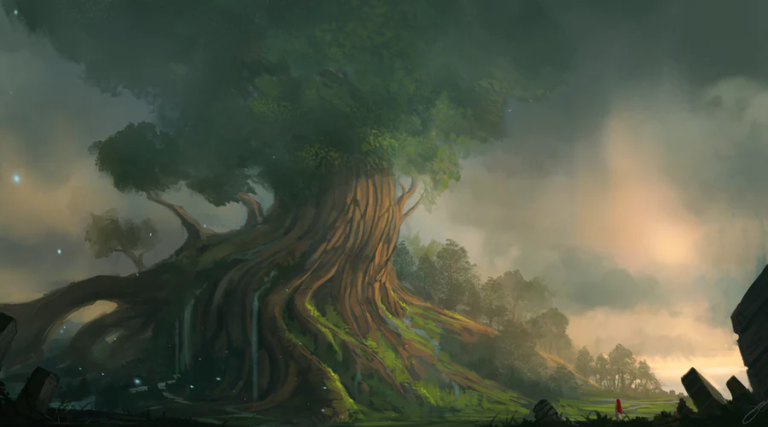
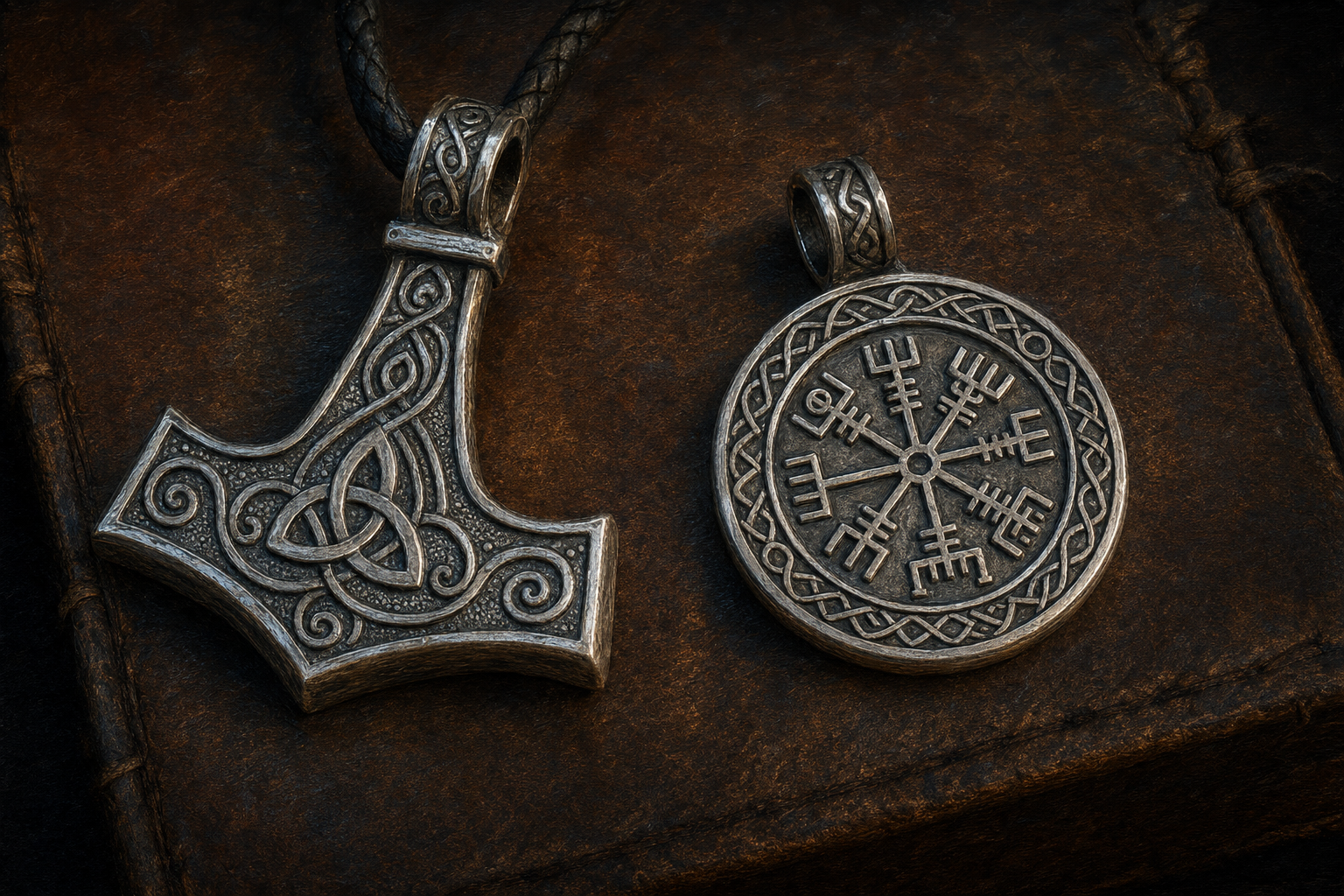
Mjolnir, Thor’s hammer, was worn by Norse pagans as a statement of faith and a request for protection. The Vegvisir, the Norse compass, was a symbol meant to guide its wearer through storms — physical and metaphorical. Our Viking pendants include both, alongside Yggdrasil, Helm of Awe, and Triquetra designs crafted for everyday wear.
Frequently Asked Questions
Do you have to have Scandinavian ancestry to be a Viking?
No. “Viking” refers to a culture, a set of values, and a way of life rather than a strict ethnic identity. While the Norse people originated in Scandinavia, their culture spread across Europe and beyond through trade, settlement, and intermarriage. Many practitioners of Ásatrú and Norse heathenry today have no Scandinavian ancestry and engage with the tradition with full authenticity and respect. What matters is the sincerity of your engagement, not your genealogy.
What is the Viking code of honour called?
The Norse concept of personal honour and integrity is often referred to as drengskapr, from the word drengr — a term of high praise for someone who embodied courage, honesty, generosity, and loyalty. The Hávamál is considered the closest thing to a written Viking code of conduct and is essential reading for anyone interested in Norse values.
What does wearing a Mjolnir pendant mean?
Historically, Mjolnir was worn by Norse pagans as a symbol of faith, protection, and connection to the gods — often as a direct counterpart to the Christian cross. Today, wearing a Mjolnir pendant is typically a statement of identification with Norse paganism or Ásatrú, a respect for Norse mythology, or simply an acknowledgement of Thor as a symbol of strength and protection.
What is Glima and where can I learn it?
Glima is the traditional Scandinavian wrestling art practised since the Viking Age and still the national sport of Iceland. It focuses on technique, balance, and leverage, with the primary goal of bringing your opponent to the ground while staying upright yourself. The Glima Association of Iceland maintains international contacts, and many Historical European Martial Arts (HEMA) groups also incorporate Norse combat training alongside Glima-style grappling.
Ready to carry the Viking spirit into your daily life? Start small — read the Hávamál, carve your name in runes, take the cold shower, keep your word. And when you’re ready to wear your values on your skin, explore our full collection of handcrafted Viking rings, Viking pendants, and Viking bracelets — each one designed for people who mean it.